Child-friendly
Energy level
Experience
Coat care
Shedding
Facts and Information
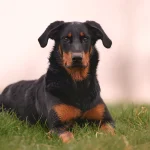
The Belgian Shepherd Dog refers to four distinct breeds: the Groenendael, Laekenois, Malinois, and Tervuren. All these breeds originated in Belgium and were originally bred for herding livestock. Despite having different coat types and slight differences in appearance, all four Belgian Shepherd breeds are known for their intelligence, loyalty, and strong working instincts. These dogs are versatile and can excel in various roles such as police work, military work, search and rescue, and service dogs.
Temperament
The Belgian Shepherd Dog is known for its loyal, intelligent, and protective nature. These dogs are highly alert, and their strong territorial instincts make them excellent watchdogs. They tend to form strong bonds with their families and are very loyal, but they can be reserved or even aloof with strangers. They are active and need consistent interaction and mental stimulation. These dogs are best suited for active individuals or families who can provide the attention and exercise they require.
Activity Level
Belgian Shepherds are incredibly energetic, and they have high activity levels. They require regular, vigorous exercise to stay happy and healthy. These dogs were bred to work and herd, and they thrive in environments where they can stay busy. Daily activities such as long walks, runs, agility training, or herding exercises are essential. If they are not provided with enough physical and mental stimulation, they may become bored and develop behavioral problems.
Coat Care
Each variety of the Belgian Shepherd has different coat types:
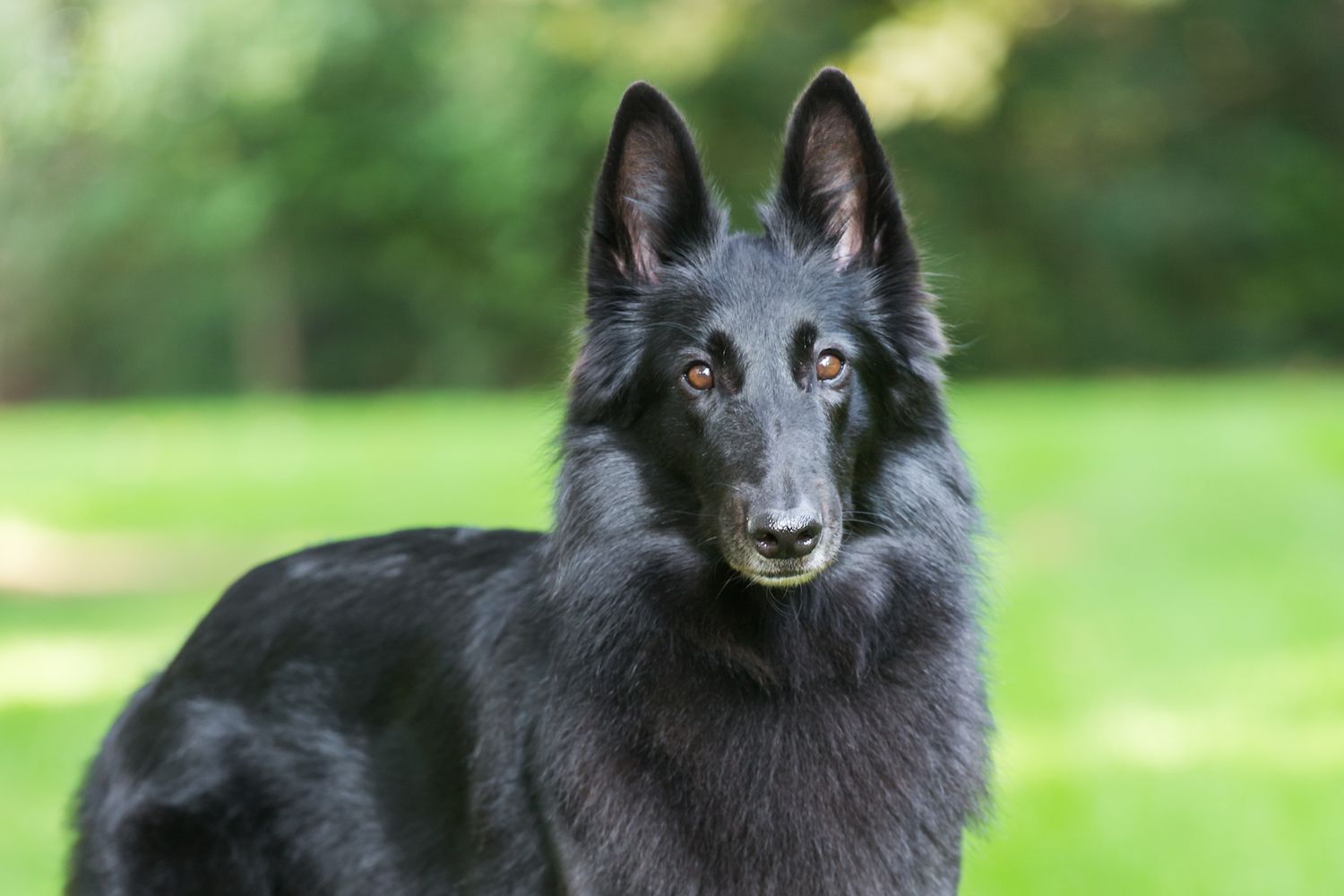
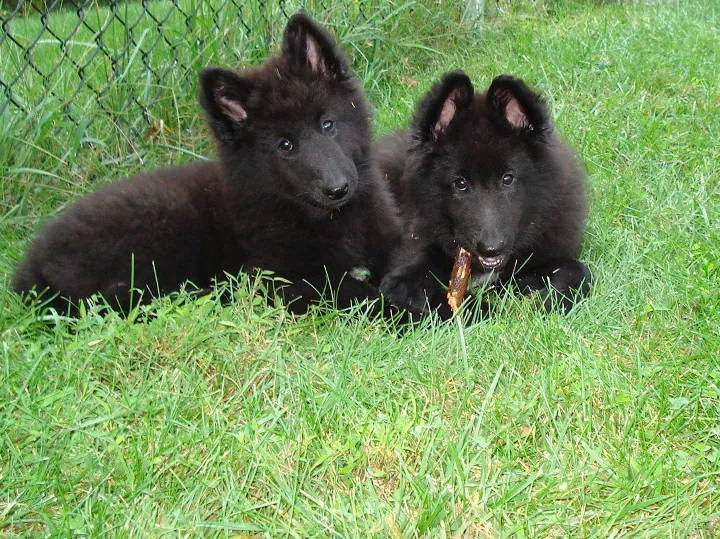
- Groenendael: Long, straight, black coat.
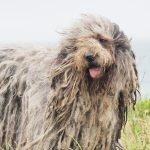
- Laekenois: Rough, wiry coat, often tan with a darker face.
- Malinois: Short, fawn-colored coat with a black mask.
- Tervuren: Long, silky coat with a variety of colors (often fawn or sable with black overlay).
All these breeds require regular grooming to keep their coat healthy. The longer-coated varieties, like the Groenendael and Tervuren, require more frequent brushing to prevent mats and tangles, while the Malinois and Laekenois require less maintenance but still benefit from regular brushing.
Training
Belgian Shepherds are extremely intelligent and highly trainable. They excel in obedience training and can quickly learn complex commands. However, their strong will and independence can sometimes make them challenging for inexperienced owners. Consistent, positive reinforcement training works best with these dogs. They are very eager to work and can excel in many activities, such as agility, obedience, and herding trials. Early socialization and obedience training are key to ensuring they grow up to be well-behaved and balanced dogs.
Size and Weight
Belgian Shepherds are medium-sized dogs:
- Males: Typically weigh between 60-80 pounds (27-36 kg) and stand about 24-26 inches (61-66 cm) at the shoulder.
- Females: Usually weigh between 40-60 pounds (18-27 kg) and stand around 22-24 inches (56-61 cm).
They are well-proportioned, muscular, and agile dogs, with a sturdy frame that allows them to perform their work efficiently.
Special Traits of the Breed
All Belgian Shepherds are known for their high intelligence and keen work ethic. They are incredibly alert, making them excellent watchdogs, but they also have a very affectionate side with their families. The Malinois is perhaps the most well-known of the four varieties due to its popularity in police and military work, but all four varieties have the potential to excel in various dog sports and service roles. The Laekenois stands out for its rough, wiry coat, while the Groenendael and Tervuren are known for their long, flowing coats.
Inherited Diseases
Belgian Shepherd Dogs are generally healthy, but like all breeds, they can be susceptible to certain inherited health conditions, including:
- Hip Dysplasia: A common joint condition in which the hip doesn’t develop correctly, leading to pain and arthritis.
- Elbow Dysplasia: An abnormal development of the elbow joint, which can cause lameness.
- Progressive Retinal Atrophy (PRA): A degenerative eye disease that leads to blindness.
- Hypothyroidism: A condition in which the thyroid gland does not produce enough hormones.
- Malignant Histiocytosis: A type of cancer that may affect Belgian Shepherds. Regular check-ups and responsible breeding practices can help reduce the occurrence of these issues.
Diet
Belgian Shepherds require a high-quality, balanced diet to support their active lifestyle. Due to their energy levels, they need food that provides sufficient protein for muscle maintenance and growth. Feeding them twice a day is generally recommended, with portions tailored to their age, size, and activity level. It’s important to choose dog food that supports joint health (especially if the dog is active or aging). Consulting with a veterinarian will help ensure you’re feeding your Belgian Shepherd the right amount and type of food.
Dog Type
The Belgian Shepherd is a working breed. They are best suited for individuals or families that are active and can provide them with plenty of exercise, training, and mental stimulation. This breed excels in roles like herding, search and rescue, police work, and even as therapy dogs. They are highly versatile but are not suited for apartment living unless they receive plenty of daily exercise. These dogs thrive with structure, purpose, and consistent training.
5 Facts About the Belgian Shepherd Dog
- The Belgian Shepherd has four distinct varieties: Groenendael, Laekenois, Malinois, and Tervuren, each with different coat types and colors.
- The Malinois is commonly used in police work and military roles due to its intelligence, agility, and alert nature.
- Belgian Shepherds are highly intelligent and excel in obedience and agility training.
- They are natural herders and have strong protective instincts, making them excellent guard dogs.
- Due to their high energy levels, they are best suited for owners who can provide daily exercise, mental stimulation, and training.