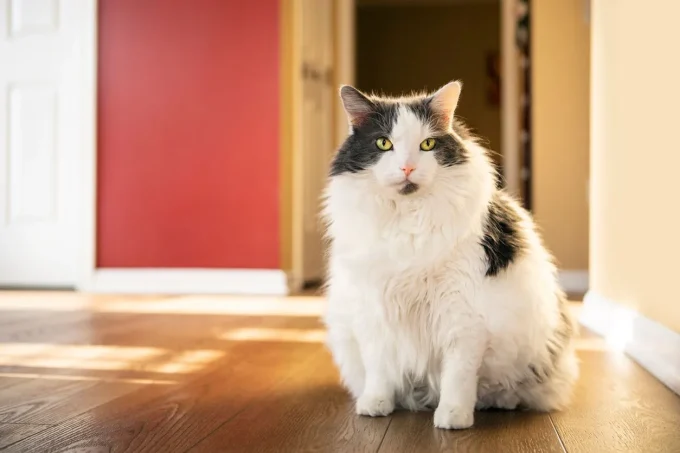
Cats are resilient animals, but they are still susceptible to various diseases, especially in a country like Pakistan, where environmental factors, stray populations, and limited veterinary awareness contribute to health risks. As a cat owner, understanding common feline diseases and recognizing early symptoms can help ensure timely treatment and a better quality of life for your furry companion.In this article, we will discuss the most prevalent cat diseases in Pakistan, their symptoms, and how you can prevent them. Additionally, we’ll highlight how Round Lake Animal Hospital provides expert healthcare services to keep your cat healthy and protected.
Feline panleukopenia, also known as feline distemper, is a highly contagious viral disease caused by the feline parvovirus. It primarily affects kittens and unvaccinated cats, leading to severe gastrointestinal and immune system complications.Symptoms to Watch For: High fever, Loss of appetite, Vomiting and diarrhea, Severe dehydration, Lethargy, Prevention:Vaccination is the most effective way to protect against feline distemper.Ensure a clean environment, especially for young kittens.Quarantine infected cats to prevent spreading.
Respiratory infections in cats are often caused by viruses like feline herpesvirus (FHV) and feline calicivirus (FCV).
These infections spread through contact with infected cats, making them common in shelters and multi-cat households.Symptoms to Watch For:Sneezing and coughing,Nasal discharge,Watery or swollen eyes,Loss of appetite,Fever,Prevention:Keep your cat vaccinated against FHV and FCV.Avoid exposing your cat to infected or stray cats.Provide proper nutrition to boost the immune system.
Rabies is a fatal viral disease that affects the nervous system of cats and other mammals. In Pakistan, where stray animals are common, the risk of rabies transmission through bites from infected animals is high.
Symptoms to Watch For:Sudden aggression or extreme fearfulness,Excessive drooling and foaming at the mouth,Difficulty swallowing,Disorientation or paralysis
Prevention:Regular rabies vaccinations are essential.Keep your cat indoors or supervise outdoor activities to avoid contact with stray animals.Seek immediate medical help if your cat is bitten by a potentially infected animal.
Feline leukemia virus (FeLV) is a contagious virus that weakens the immune system, making cats more susceptible to infections and cancers. It spreads through saliva, blood, and close contact with infected cats.
Symptoms to Watch For: Persistent fever,Weight loss,Swollen lymph nodes,Anemia and pale gums,Chronic infections,Prevention: Test your cat for FeLV, especially if they were rescued or adopted from the streets.Keep FeLV-positive cats separate from healthy cats.Vaccination can help prevent infection in high-risk cats.
FIP is a deadly disease caused by a mutation of the feline coronavirus. While many cats carry the coronavirus without issue, some develop FIP, which leads to severe inflammation in the body.
Symptoms to Watch For:Persistent fever,Weight loss,Swollen belly (due to fluid buildup),Neurological issues such as seizures or wobbling gait,Prevention:Minimize stress in multi-cat households, as stress can trigger FIP.Maintain good hygiene and a healthy diet to strengthen immunity.Currently, there is no widely available vaccine for FIP, so early detection is crucial.
Chronic kidney disease (CKD) is common in older cats and results from a gradual loss of kidney function. It can be caused by infections, genetics, or poor diet.Symptoms to Watch For:Increased thirst and urination,Weight loss,Vomiting,Lethargy,Bad breath (with a urine-like smell)Prevention:Provide fresh water and a balanced diet with high-quality protein.Schedule regular vet check-ups to monitor kidney function.Avoid feeding your cat excessive dry food, which can contribute to dehydration.
Diabetes in cats is caused by insulin resistance or insufficient insulin production. It is often linked to obesity and poor diet. Symptoms to Watch For: Increased thirst and urination, Sudden weight loss or gain, Lethargy Poor coat condition Prevention: Maintain a healthy weight with a proper diet .Avoid high-carbohydrate cat foods. Regular exercise helps regulate blood sugar levels.
When it comes to your cat’s health, early detection and professional care are key. Round Lake Animal Hospital offers comprehensive veterinary services, including: Disease diagnosis and treatment, Vaccination programs to prevent common feline illnesses, Regular health check-ups and early disease detection, Specialized care for chronic conditions like kidney disease and diabetes Expert guidance on feline nutrition and wellness, Their experienced veterinarians are committed to providing top-quality healthcare, ensuring that your cat receives the best possible treatment and preventive care. Whether your cat needs vaccinations, parasite control, or treatment for an existing condition, Round Lake Animal Hospital is a trusted name in feline healthcare.
Cats in Pakistan face several health risks due to environmental factors, stray populations, and lack of awareness about feline diseases. As a responsible cat owner, staying informed about common diseases and their symptoms can help you seek timely veterinary care. Regular check-ups at Round Lake Animal Hospital, a proper diet, vaccinations, and maintaining a clean environment are essential for keeping your feline friend healthy and happy, If you notice any unusual symptoms in your cat, don’t wait—early diagnosis and treatment can make all the difference in their recovery and quality of life.
In Pakistan, keeping birds as pets is a cherished tradition that reflects a deep cultural and emotional connection. From the bustling streets of...
Chocolate contains theobromine, which has a stimulating effect on the nervous system....
When it comes to understanding how our pets think, far more research...
Obesity is a growing health concern among cats, leading to various medical...
Cats are known for their mysterious and independent nature, but just like...