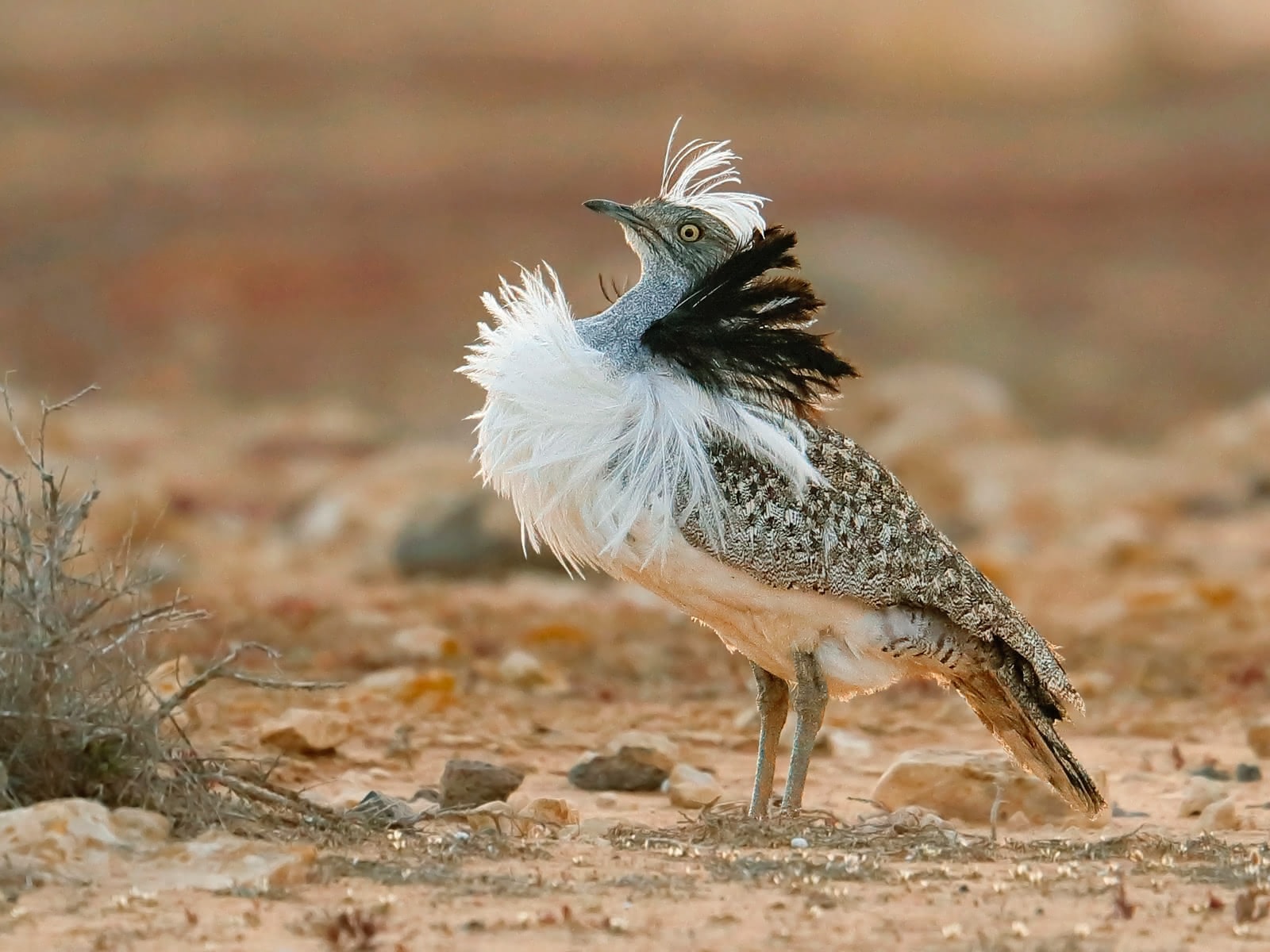
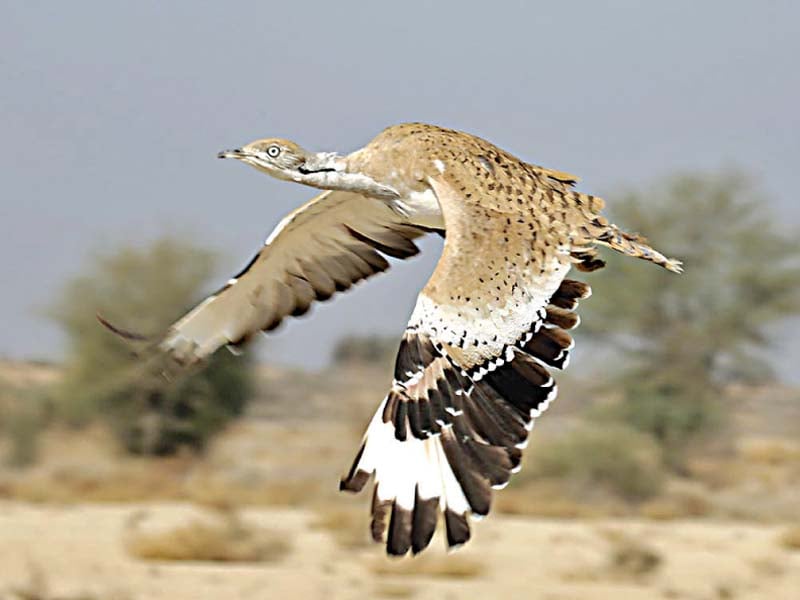
The Houbara bustard (Chlamydotis macqueenii) is a migratory bird that visits Pakistan’s arid regions every winter, traveling thousands of kilometers from Central Asia to escape the harsh cold. This elegant bird, with its distinctive plumage and cautious demeanor, has become the center of intense debate in Pakistan, where conservationists, hunters, and policymakers clash over its future. The species, already classified as vulnerable by the International Union for Conservation of Nature (IUCN), faces multiple threats, ranging from habitat loss to unsustainable hunting practices.
A Seasonal Visitor at Risk
The houbara bustard primarily winters in Balochistan, Sindh, Punjab’s Cholistan Desert, and parts of Khyber Pakhtunkhwa. These dry landscapes, once a safe haven, have increasingly become dangerous for the bird due to human activities. Every year, the birds arrive exhausted and vulnerable, yet what should be a season of respite often turns into a perilous survival challenge.
The Role of Falconry and Hunting
Hunting, particularly falconry, plays a significant role in the houbara bustard’s population decline. Wealthy hunters from Gulf countries, attracted by traditional hunting practices, travel to Pakistan during the migration season. Despite national and international regulations, special hunting permits are often granted, allowing limited culling. However, the impact of this practice is far from minimal.
Falconry, deeply rooted in cultural heritage, has become a controversial subject. Proponents argue it supports diplomatic relations and brings economic benefits to local communities. Critics, however, highlight the lack of reliable data and the unregulated nature of the hunting, which contributes to the steady population decline.
Habitat Destruction and Climate Change
While hunting is a visible threat, habitat destruction poses an equally grave danger. The houbara bustard depends on sparse, arid landscapes for feeding and nesting. Overgrazing by livestock, desertification, and agricultural expansion have dramatically reduced suitable habitats. In Balochistan, for instance, overcultivation and unsustainable water practices have degraded large tracts of land that once supported the bird.
Climate change further exacerbates these challenges. Shifting weather patterns affect migration timings and food availability, leaving the bustards more susceptible to predators and other environmental stresses.
Conservation Efforts: A Race Against Time
Recognizing the urgency of the situation, Pakistan has implemented several conservation measures. The Houbara Foundation International Pakistan works alongside government agencies to monitor populations, protect habitats, and educate communities. Sanctuaries have been established in Balochistan and Punjab to provide safe zones during migration periods.
In collaboration with international organizations, Pakistan has also initiated breeding programs aimed at replenishing wild populations. These efforts have seen some success, with captive-bred birds being released into the wild. However, without stronger enforcement of hunting bans and stricter habitat protection, these initiatives may only provide temporary relief.
Balancing Conservation with Tradition
The houbara bustard’s plight underscores the complex balance between cultural traditions and modern conservation needs. Falconry, while a historical practice, must adapt to contemporary realities. Experts advocate for more transparent permit systems, enhanced monitoring, and increased penalties for illegal hunting.
Public awareness campaigns have also gained traction, emphasizing the bird’s ecological importance. The houbara bustard plays a critical role in maintaining desert ecosystems by controlling insect populations and contributing to natural biodiversity.
A Shared Responsibility
Pakistan’s responsibility in protecting the houbara bustard extends beyond national borders. As a migratory species, the bird’s survival hinges on collaborative efforts across regions. Partnerships with Central Asian countries to safeguard breeding grounds, coupled with local initiatives to protect wintering habitats, are crucial.
Ultimately, the fate of the houbara bustard rests in collective hands. Through sustainable policies, community engagement, and international cooperation, Pakistan can lead the way in preserving this remarkable bird for future generations. The houbara bustard’s journey should be one of endurance and survival, not extinction and loss.