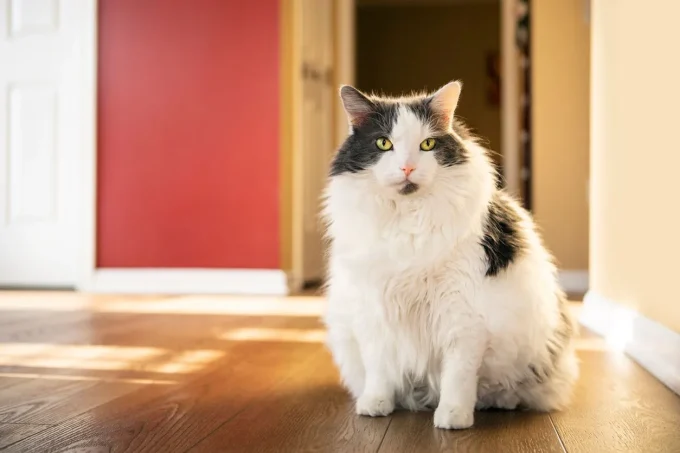
Cats are known for their mysterious and independent nature, but just like humans, they can experience stress and anxiety. If left unaddressed, stress in cats can lead to behavioral issues and health problems. Understanding feline behavior and recognizing signs of stress early can help improve your cat’s well-being and strengthen your bond with them.In this article, we’ll explore the common causes of stress in cats, how to identify anxiety-related behaviors, and what you can do to help your feline friend feel safe and comfortable. Additionally, we’ll highlight how Round Lake Animal Hospital provides expert guidance on managing cat behavior and addressing anxiety-related issues.
Signs of Stress and Anxiety in Cats
Cats communicate their emotions through body language and behavior. Some signs that your cat may be stressed or anxious include: Excessive Grooming or Fur Loss – Cats may overgroom themselves when anxious, leading to bald spots. Hiding More Than Usual – If your cat is constantly hiding under furniture or in closets, it may be a sign of stress. Changes in Appetite – Stress can cause a cat to eat less or more than usual Inappropriate Litter Box Use – Urinating or defecating outside the litter box is often a sign of stress or a medical issue. Aggression or Increased Irritability – A normally friendly cat may become aggressive toward people or other pets when stressed. Excessive Meowing or Vocalization – Cats may vocalize more than usual when they feel anxious. Destructive Behavior – Scratching furniture, knocking things over, or chewing on objects can be signs of stress.
Common Causes of Stress in Cats
Cats are creatures of habit, and even small changes in their environment or routine can cause anxiety. Some common triggers include:
1. Changes in Environment, Moving to a new home, Rearranging furniture, Loud noises (construction, fireworks, thunderstorms)
2. New Pets or People, Introducing a new pet or family member,The presence of unfamiliar visitors,
3. Lack of Stimulation or Boredom,Not enough playtime or mental stimulation, Loneliness due to being left alone for long hours
4. Changes in Routine, Altered feeding schedules, A change in the owner’s work schedule, Trips to the vet or groomer
5. Health Problems, Pain or illness can cause behavioral changes, Aging-related cognitive decline in senior cats

How to Reduce Stress and Anxiety in Cats
Addressing stress in cats requires patience and understanding. Here are some effective strategies:
1. Create a Safe Space, Provide a quiet and comfortable area where your cat can retreat when feeling anxious. A cozy bed, hiding spots, and vertical spaces like cat trees can help them feel secure.
2. Stick to a Routine, Cats thrive on routine. Try to feed them, play with them, and clean their litter box at the same times each day.
3. Provide Mental Stimulation, Boredom can lead to stress, so engage your cat with interactive toys, puzzle feeders, and daily playtime. Scratching posts and climbing structures can also help keep them entertained.
4. Use Calming Aids, Certain products can help reduce stress, such as:Feliway Diffusers – These release synthetic pheromones that create a calming effect.Calming Cat Treats or Supplements – Available at pet stores and vet clinics.
5. Gradual Introductions for New Pets or People, If introducing a new pet or family member, do so gradually. Allow your cat to adjust at their own pace by giving them space and positive reinforcement.
6. Address Litter Box Issues, Ensure the litter box is always clean and placed in a quiet, easily accessible location. If your cat is avoiding the litter box, consult a veterinarian to rule out medical issues.
7. Play and Bonding Time, Daily interactive play with toys like feather wands or laser pointers can help your cat release pent-up energy and anxiety.
8. Seek Veterinary Advice for Ongoing Anxiety, If your cat continues to show signs of stress despite your efforts, consulting a veterinarian or cat behavior specialist is the best course of action.
Round Lake Animal Hospital: The Best in Cat Behavior Advice
If your cat is showing signs of stress or anxiety, Round Lake Animal Hospital provides expert guidance on feline behavior and behavioral changes. Their experienced veterinarians can: Identify the cause of your cat’s stress, Recommend behavior modification techniques, Suggest dietary changes or calming supplements, Provide medical treatment if anxiety is linked to health issues, With a deep understanding of feline behavior, Round Lake Animal Hospital ensures that your cat gets the best care and advice for a happy and stress-free life.
The Bottom Line
Understanding cat behavior is key to addressing stress and anxiety before they become bigger issues. By recognizing the signs, identifying triggers, and making necessary changes in your cat’s environment, you can create a calm and happy home for your feline friend. For expert advice on managing cat stress and behavioral issues, visit Round Lake Animal Hospital, where their team of professionals is dedicated to helping cats live their best lives.If you suspect your cat is stressed or anxious, don’t hesitate to seek professional help—early intervention can make a huge difference!